 Tropical waters
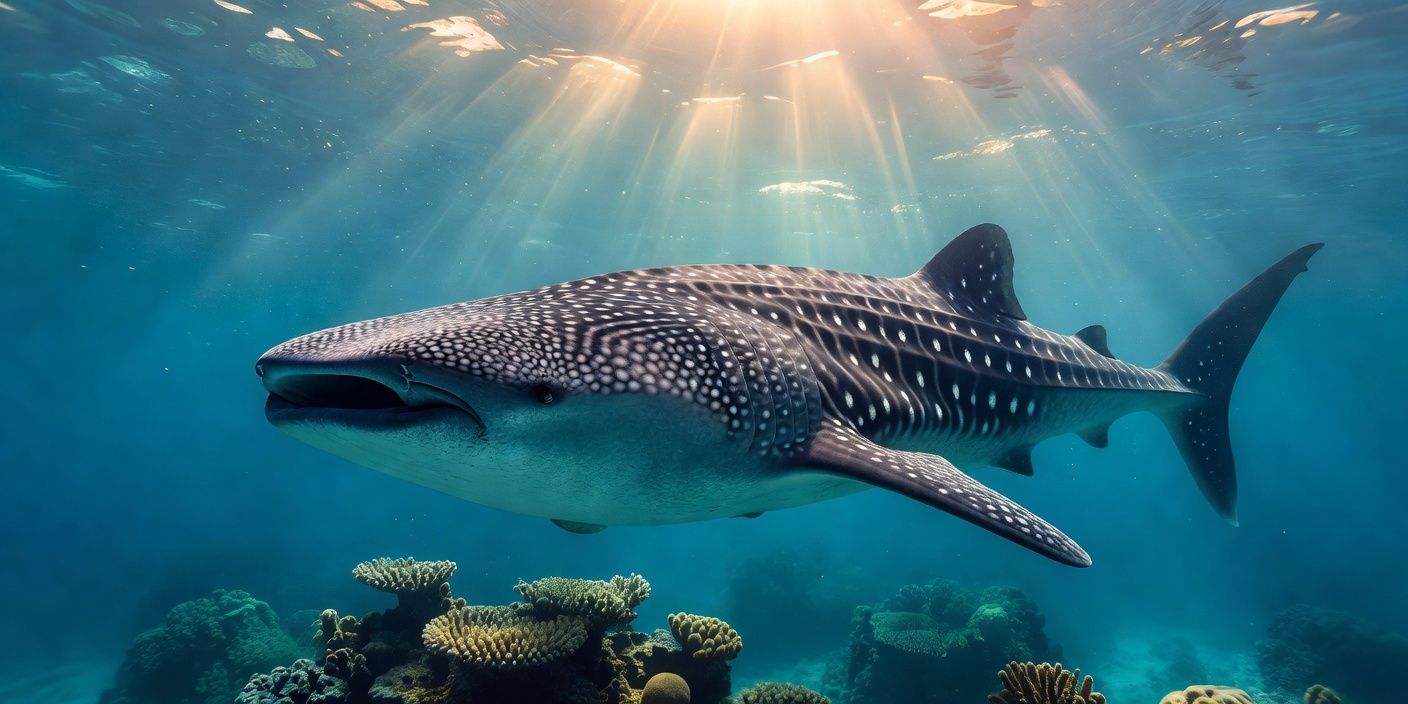
A giant that filters its food
Whale shark · Rhincodon typusThe whale shark takes in water and filters out food, including plankton. Its broad mouth tells a very different story from a great white’s teeth.
Meet the whale shark →Predator Fieldnotes · Sharks, without the spectacle
A plankton-filtering giant. A reef-bottom specialist. A hunter built for open water. “Shark” is not one way of life—it is a whole range of solutions to living in the sea.
Start with the differences. The ocean gets more interesting from there.
Meet the Species
Different bodies. Different meals. Different places to call home.
Tropical watersThe whale shark takes in water and filters out food, including plankton. Its broad mouth tells a very different story from a great white’s teeth.
Meet the whale shark →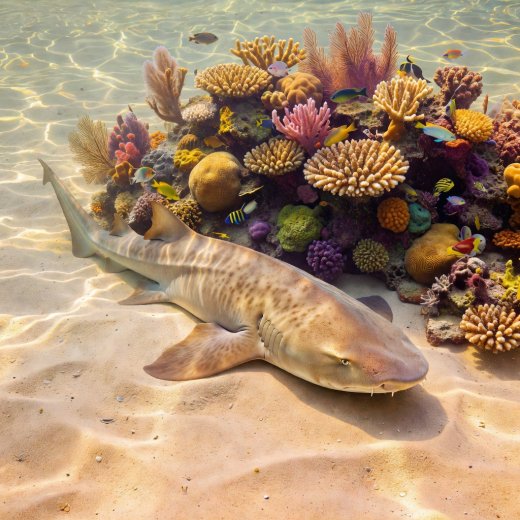 Reef floor
Barbels near its mouth help this bottom-dwelling shark locate food. It can pump water across its gills while resting.
Meet the nurse shark →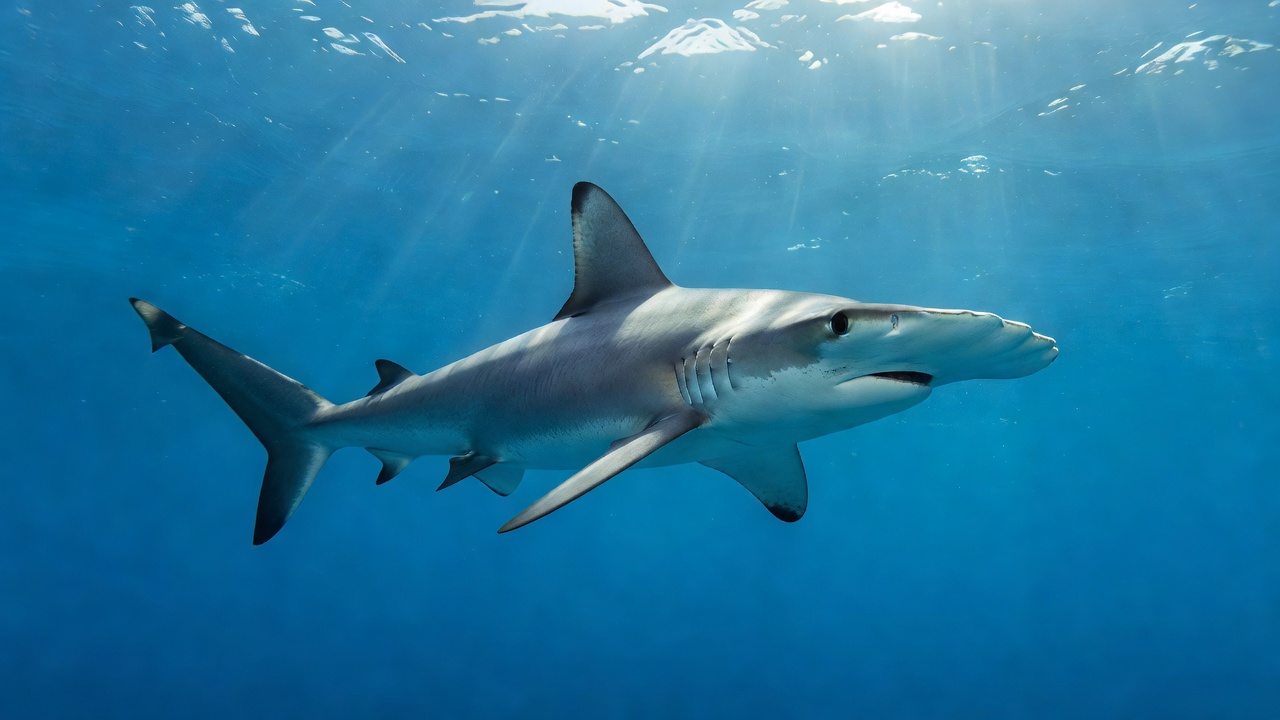 Coasts & offshore
The scalloped hammerhead’s expanded head spreads sensory structures across a broad surface. Its shape also influences how the shark moves through water.
Meet the hammerhead →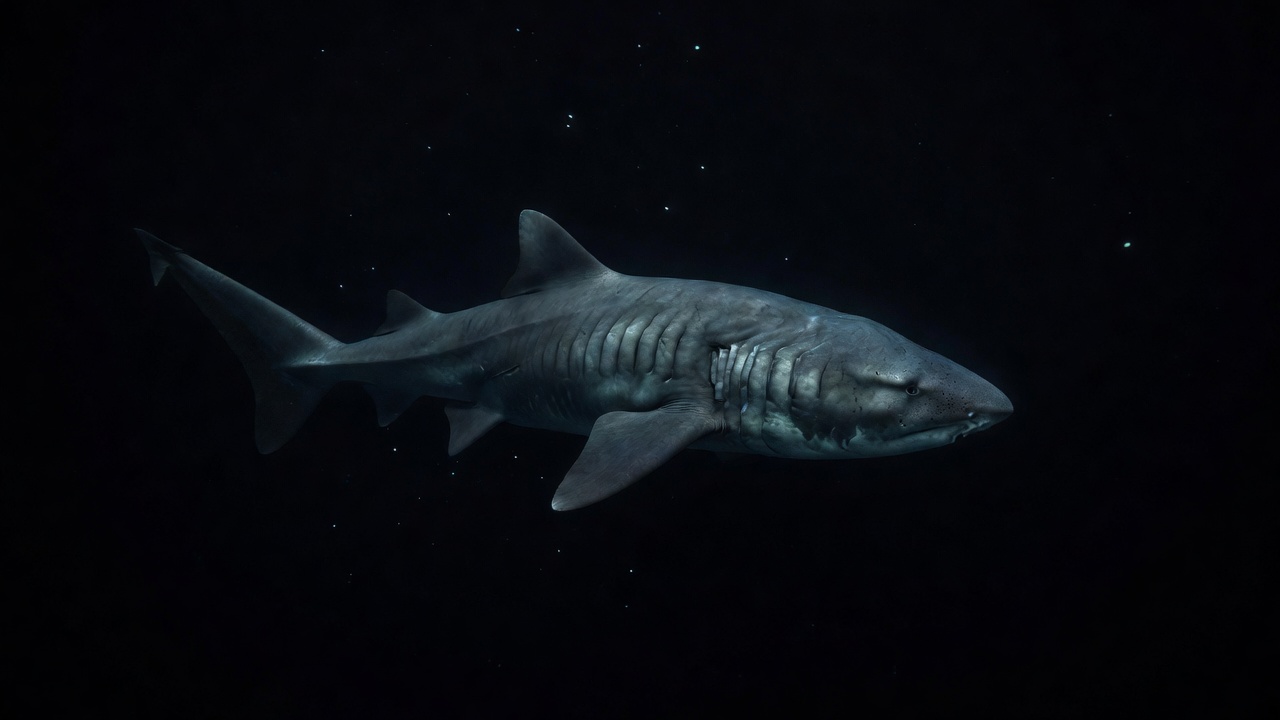 Cold northern seas
The Greenland shark inhabits Arctic and North Atlantic waters. Its slow growth and exceptionally long life challenge our idea of what a shark can be.
Meet the Greenland shark →Sharks combine several senses. No single “superpower” explains how they find their way.
Water carries chemical traces, vibrations and electrical signals. Sharks gather these clues through different sensory systems, alongside vision and hearing.
How useful each clue is depends on the species, the water and the task at hand.
Explore shark adaptations →Trade familiar shortcuts for explanations that leave room for real differences.
“Every shark has to swim all the time.”
Some sharks rely on forward movement to move water across their gills. Others can actively pump water and rest on the seabed. The species matters.
“All sharks sit at the top of the food web.”
Some sharks are large predators; others eat smaller animals or filter tiny organisms. Young sharks can also be prey. Size, age and habitat all change the picture.
A habitat is more than scenery. It shapes food, movement and vulnerability.
Life hereBottom-dwelling species use sand, reef edges and sheltered spaces to feed and rest.
Pressure pointsCoastal habitat damage and fishing can affect species that spend much of their lives near shore.
Life hereMobile sharks follow food and suitable conditions, sometimes across national boundaries.
Pressure pointsIncidental capture in fisheries and overlapping migration routes make protection a shared task.
Life hereLow temperatures and limited light support lives very different from those on a tropical reef.
Pressure pointsSlow growth can make some populations particularly sensitive to fishing mortality.
Pick a trail and build a clearer picture of shark life.
Compare body shapes, feeding strategies and habitats.
Find out how sharks sense, breathe and stay afloat.
Follow the connections between sharks, prey and habitats.
Your privacy choices Some cookies are needed for the site to work. Others help us understand how it is used. You can change your choice later. Read more