Adaptations / A connected toolkit

How a Shark Reads Its Surroundings

A shark does not navigate by smell alone. It brings together signals from its eyes, ears, skin and specialised sensory organs to make sense of the water.

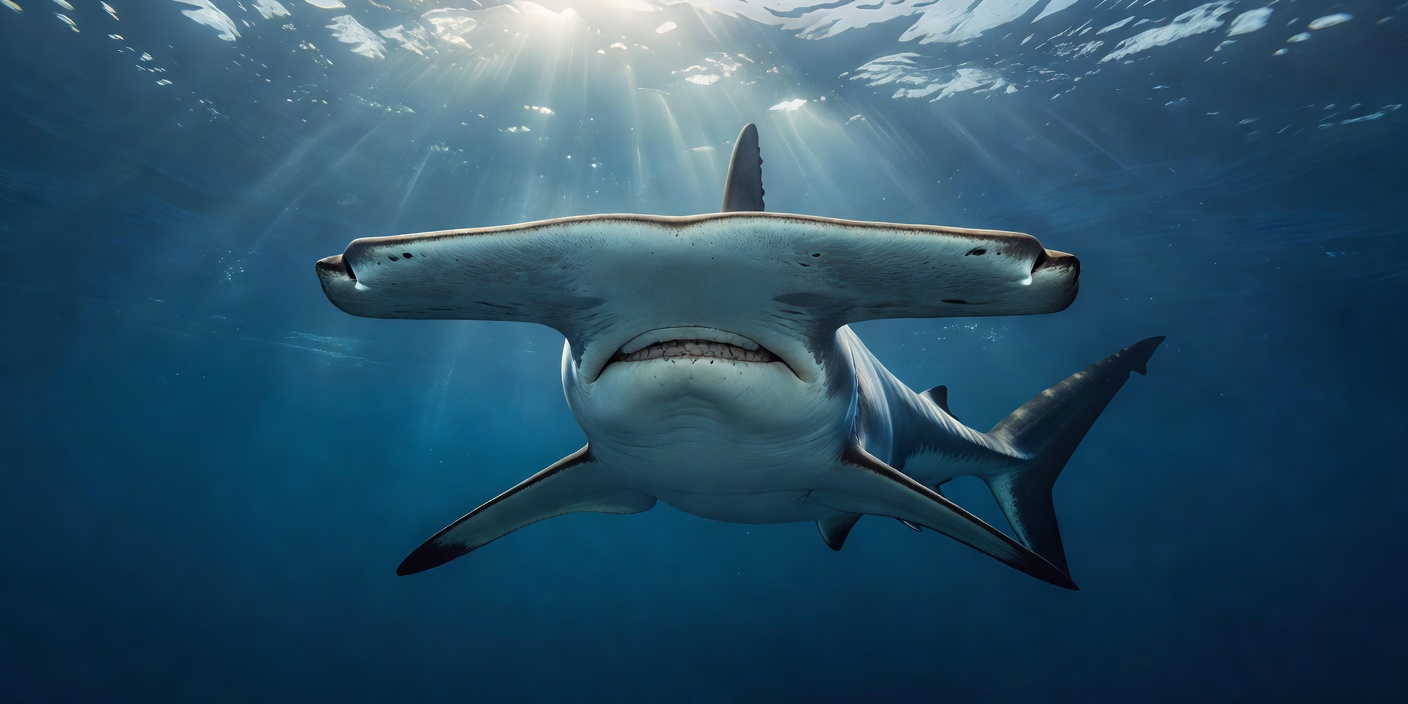
Hammerhead shark seen from the front underwater, with widely spaced eyes and a broad sensory head

Different signals, different jobs

These simplified diagrams show where signals are detected—not how far every shark can detect them.

01 / Chemical information

Smell

Nasal openings sample water for dissolved chemical cues. They are separate from the breathing system.

Currents, turbulence and the strength of a source affect what a shark can detect. There is no universal “drop of blood” distance.
02 / Nearby movement

Lateral line

A system of sensory structures along the head and body detects local water movement.

It can provide information about nearby animals and the surrounding flow, complementing other senses.

03 / Close-range clues

Electroreception

Specialised organs detect weak electrical fields, including those produced by other animals.

This sense can help locate prey at close range, even when the animal is partly hidden in sediment.

Do not forget eyes and ears. Sharks also use vision and hearing. Their importance varies with habitat, species and conditions; sensory systems work together rather than taking turns in a fixed sequence.

Water in. Oxygen across the gills.

Swimming and breathing are related—but not in the same way for every shark.

One method

Ram ventilation

Forward motion sends water through the mouth and over the gills. Some species depend on this flow to obtain enough oxygen.

It helps explain why certain sharks keep moving, but cannot explain the behaviour of every species.

Another method

Active pumping

Other species can pump water across their gills while stationary. Some bottom-dwelling sharks also draw water through openings called spiracles behind the eyes.

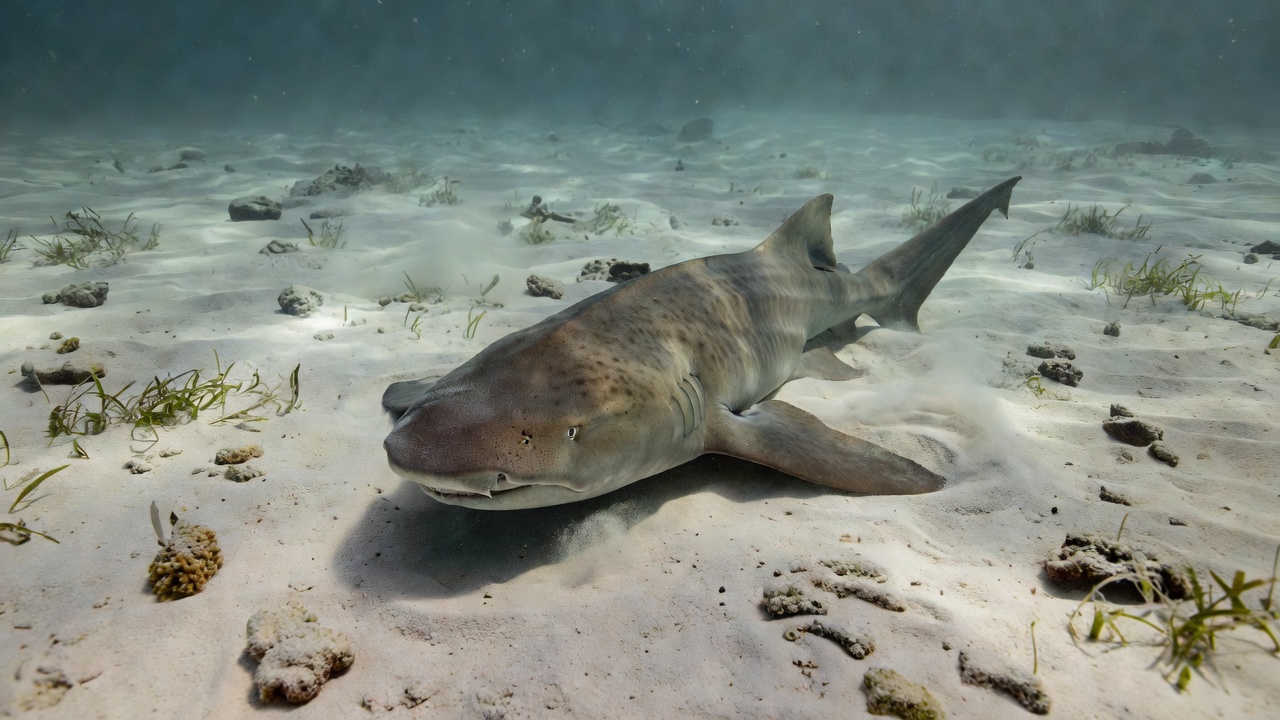
A nurse shark resting on the seabed is still ventilating its gills.

Bodies built for different tasks

Every advantage comes with a context.

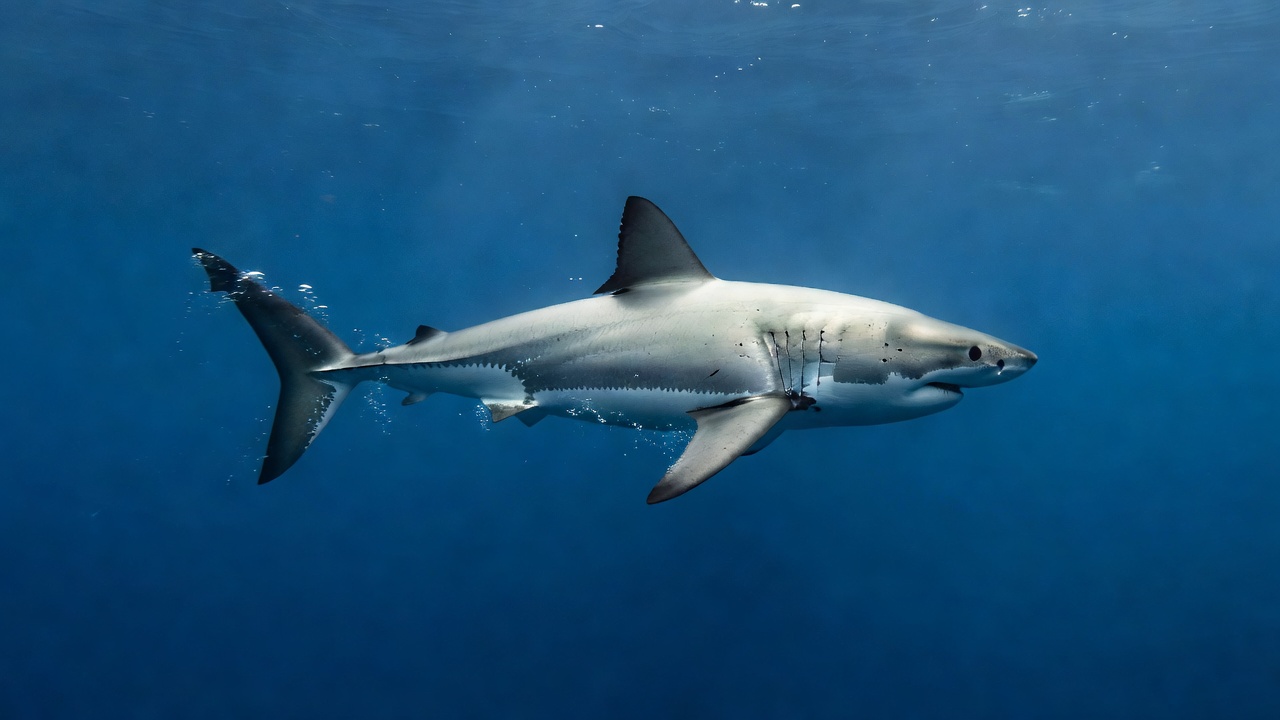
Great white shark swimming in profile with its streamlined body and crescent-shaped tail visibleMovement

Shape changes the swim

Streamlined bodies and powerful tails suit active swimming. Other body shapes support life close to the seabed. Fin arrangement and tail shape are useful clues, not a complete description of behaviour.

Nurse shark resting low against a sandy seafloor with its pectoral fins spreadBuoyancy

No swim bladder required

Sharks lack the gas-filled swim bladder found in many bony fish. An oil-rich liver contributes to buoyancy, while body structure and lift during swimming also play a part. Many sharks remain negatively buoyant.

Follow the evidence

These are introductory explanations. Sensory performance and swimming mechanics vary between species.

Meet the Species